
Equipment Operator Training
How To Better Train Your Equipment Operators
Walk onto almost any plant floor and you will find the same machine being run three different ways by three different people. One operator learned it from a supervisor who retired years ago. Another picked up the process from a coworker on second shift. A third figured most of it out on their own during the first slow week on the job. None of them are doing anything wrong on purpose. They just never learned the same version of correct.
That gap is bigger than it looks. Equipment operator training is one of those responsibilities that every manufacturer says it takes seriously, yet very few actually deliver in a way that holds up across shifts, locations, and new hires. The result is a factory that runs on memory and habit instead of a documented, repeatable standard, and that shows up in safety incidents, scrap, turnover, and downtime long before anyone traces it back to training.
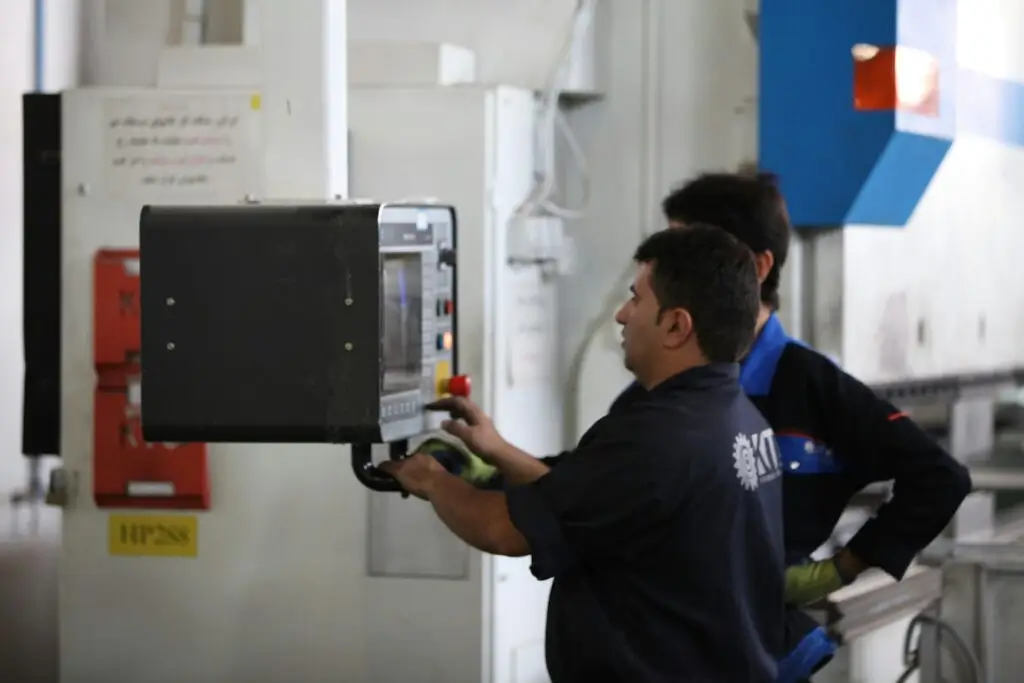
None of this means your workforce lacks skill. Most plants are full of people who genuinely know what they are doing. The problem is that the knowledge lives in individual heads instead of in a shared, repeatable system, so the organization never really gets the benefit of its own expertise. Fixing that is not about hiring more trainers. It is about capturing what your best people already know and making it available to everyone else, consistently, every single time.
Why Consistent Training Is the Foundation of Manufacturing Performance
Manufacturers spend heavily on the equipment itself, from CNC machines to packaging lines to robotics, but the machine only performs as well as the person running it. When every operator learns a slightly different version of the same procedure, the organization does not really have one standard process. It has several, and the differences quietly compound over time.
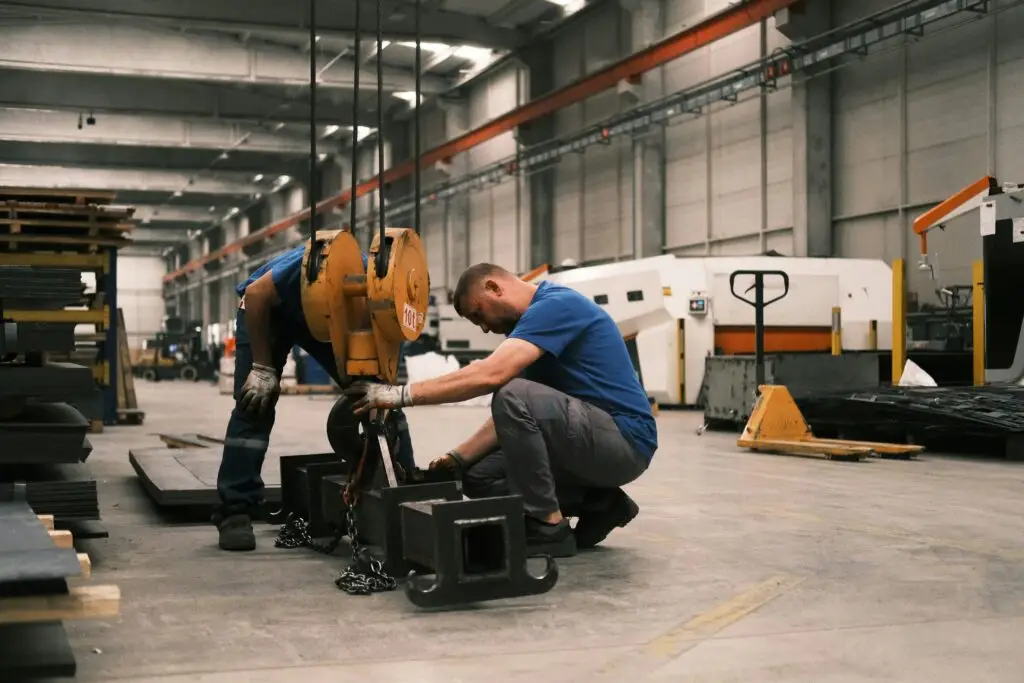
A veteran operator might carry fifteen years of unwritten shortcuts and safety habits in their head. A brand new hire might get two days of shadowing before being expected to keep pace on their own. Someone trained by a different supervisor learns a slightly different sequence again. None of this is captured anywhere, which means the knowledge walks out the door the moment that person leaves.
That is why equipment operator training keeps showing up as a strategic priority rather than a simple HR checkbox. As equipment gets more advanced and experienced workers continue to retire, the organizations that document a single, consistent way of doing the job are the ones that keep quality and output steady no matter who is standing at the controls.
Think about how much money is tied up in the equipment itself. A single production line can represent a massive capital investment, and every bit of that investment depends on the person operating it knowing exactly what to do. A machine that can run at full capacity in the right hands can just as easily become a bottleneck, or worse, a safety hazard, in the hands of someone who was never properly trained. Consistency turns that expensive equipment into a reliable, repeatable asset instead of a variable one.
The Real Challenges Behind Equipment Training for New Employees
If consistent training were easy, every plant would already have it. In practice, a handful of stubborn obstacles get in the way, and they tend to show up together rather than one at a time.
The first is knowledge that never gets written down. Your most experienced operators know exactly which sensor to check before a changeover or what a particular sound usually means, but that knowledge lives entirely in their heads. When they retire or move on, it leaves with them, and supervisors are left trying to recreate procedures from memory.
The second challenge is that training completion and actual competency are not the same thing. An employee can sit through a class, sign a form, and still not be able to safely and independently run the equipment. Measuring training by attendance instead of demonstrated skill hides real gaps until they show up as a mistake on the floor.
The third challenge is capacity. Supervisors are already stretched across coaching, troubleshooting, quality checks, and their own production targets. Asking them to also be the sole source of equipment training for new employees, every time, on top of everything else, is not realistic, and it usually means training gets rushed. Rushed training is where most of the inconsistency actually starts, since a shortened explanation almost always skips the reasoning behind a step, leaving the new employee to memorize an action without understanding why it matters.
Add a workforce that includes multiple languages, multiple shifts, and multiple facilities, and small gaps in comprehension turn into inconsistent execution. A procedure that makes perfect sense to one supervisor can be interpreted differently by the next person who reads it, especially if it only exists as a paragraph in a binder nobody opens.
There is also a shift happening in how training gets evaluated. Auditors and quality standards increasingly expect proof that an employee can actually perform a task correctly, not just a signature confirming they sat through a session. That raises the bar considerably, and it means equipment training for new employees needs to be built around demonstrated competency from the start rather than treated as a formality to get out of the way before someone starts working independently.
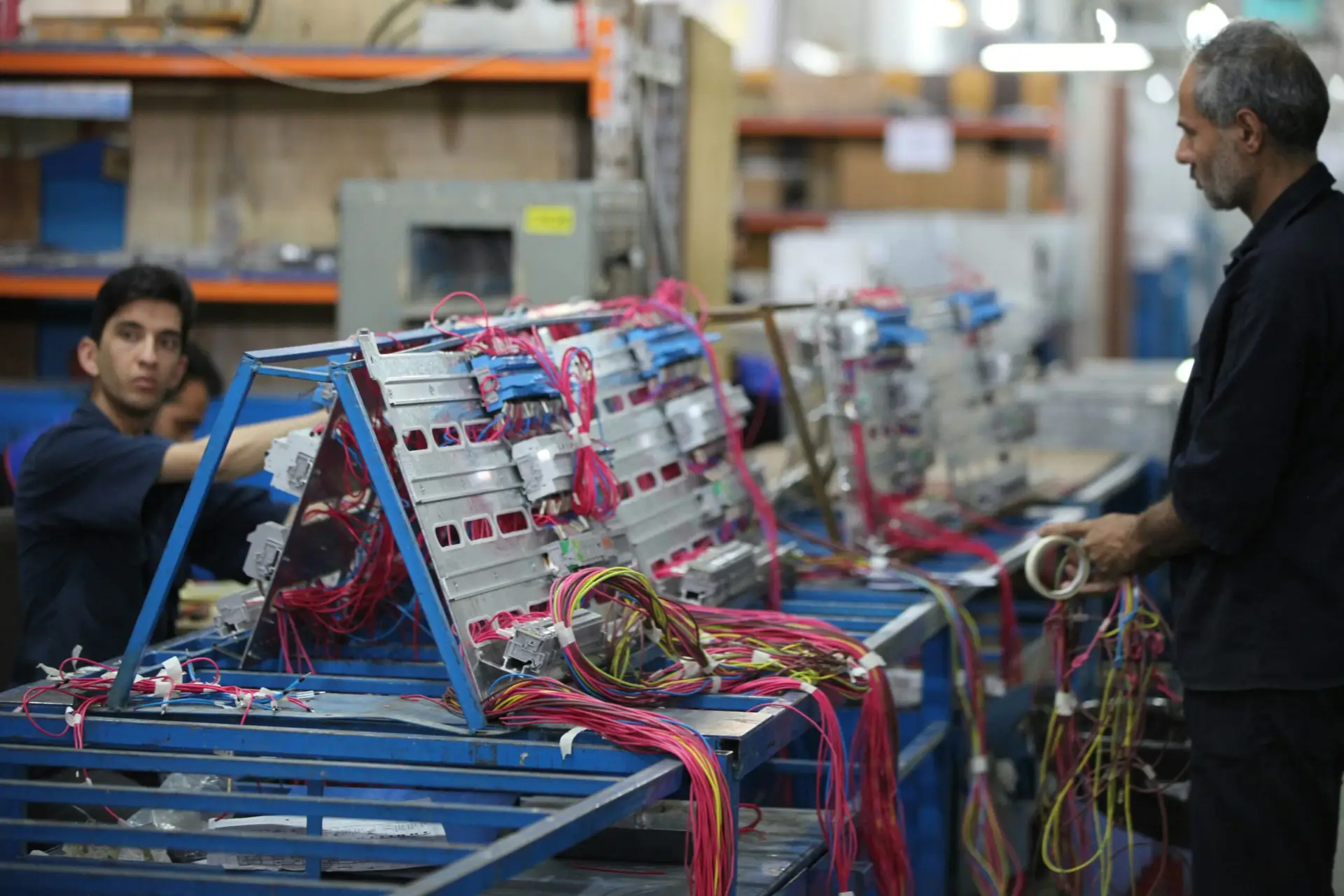
What Happens When Training Is Inconsistent
The impact of inconsistent training does not stay contained to one department. It ripples across safety, quality, people, and the bottom line, and the further it spreads, the harder it becomes to trace a specific problem back to its actual root cause.
Safety
Industrial equipment can cause serious injuries when it is operated incorrectly, and safety guidance is clear that only properly trained employees should be running machinery. Consistent equipment operator training covers not just what to do, but when and why to do it, including lockout procedures, required protective equipment, and the conditions under which a machine should not be running at all. A process performed safely by one shift should never be performed differently by another simply because the people involved learned from different trainers.
Errors and Quality
Most manufacturers already have standard operating procedures. Having them documented and actually following them consistently are two different things. On a thirty step changeover, an experienced operator may work from memory, a newer employee may check a binder, and someone on nights might just ask whoever happens to be nearby. Small variations creep in. A setting gets missed, a measurement does not get verified, or the wrong program gets selected, and production continues anyway. The result is scrap, rework, and quality escapes that trace directly back to a process nobody standardized.
Productivity and Downtime
Every new operator has a learning curve, and during that stretch experienced employees have to stop what they are doing to answer questions and fix mistakes. The longer that ramp up takes, the more it costs. A lot of unplanned downtime is not caused by a broken part at all. It happens because an operator does not know how to complete a changeover, clear an alarm, or recover from an unusual condition, and the one person who knows the answer is on another shift or at another facility entirely.
Employee Satisfaction and Retention
Manufacturing already deals with significant turnover, and every employee who leaves takes operational knowledge with them. People generally want to feel capable at their job. Handing someone an unfamiliar machine with a rushed explanation creates frustration fast, while structured, accessible training gives that same person confidence and a clear path to competency. Employees who feel set up to succeed are far more likely to stay, which turns training from a cost center into one of the more effective retention tools a manufacturer has.
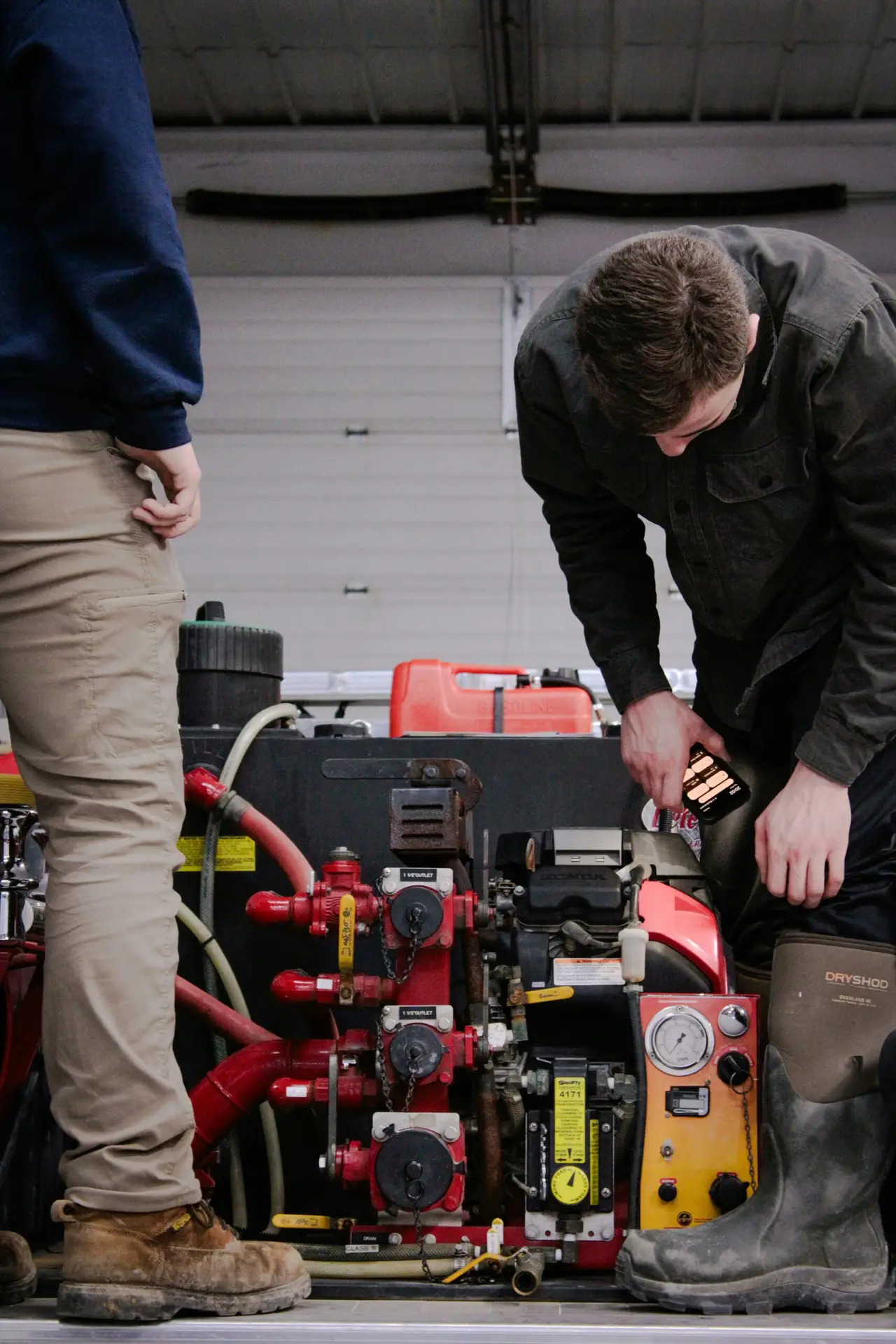
Why the Right Partner Makes Equipment Certification Training Easier
Once a manufacturer decides to fix inconsistent training, the next question is how. Some organizations try to build everything internally, and a few succeed, but most underestimate how much work it takes to turn scattered tribal knowledge into organized, repeatable digital equipment training that actually gets used on the floor. Between running production, managing quality, and keeping supervisors focused on the floor, there is rarely enough internal bandwidth left over to build and maintain a full training library from scratch.
This is where the right partner earns its value. A good partner does more than hand over software. They help you capture what your best operators already know, turn it into structured content with clear steps, images, and video, and organize it into a real equipment certification training program that supervisors can assign, track, and update as processes change. They understand manufacturing environments well enough to know that a training tool nobody opens is worse than no tool at all, so the emphasis stays on ease of use for the people actually building and following the procedures.
The right partner also treats this as an ongoing relationship rather than a one time project. Equipment changes, products change, and your training library needs to change with them. A partner who understands manufacturing upskilling and certification can help you build a process for keeping content current, verify that employees can actually demonstrate the skill rather than just complete a module, and give supervisors visibility into who is certified on what equipment at any given time.
It also helps to work with a partner who has actually seen this problem play out across multiple plants and industries, not just one. Patterns repeat themselves. The changeover that trips up new hires at one facility often looks a lot like the changeover causing headaches somewhere else, and a partner with that broader view can help you avoid mistakes other manufacturers have already made instead of learning every lesson the hard way yourself.
Choosing that partner carefully matters just as much as choosing the right equipment. The wrong fit leaves you with software nobody uses and a shelf of unfinished procedures. The right one gives you a living system that keeps paying off long after the initial rollout.
Consistency Is Not a Training Problem. It Is an Operations Advantage.
Manufacturing equipment keeps getting more advanced, and that trend is not slowing down. What it means is that the knowledge required to run that equipment correctly matters more, not less. The manufacturers who perform best over time are rarely the ones with the biggest binder of training materials. They are the ones who capture what their best people know and consistently pass it on to everyone else, on every shift, at every location.
When the operator who started this week can follow the exact same verified process as the operator who has been there for fifteen years, training stops being something that only happens during onboarding. It becomes part of how the plant actually runs, and that consistency shows up in safer shifts, fewer errors, faster onboarding, and a team that trusts the process because the process actually works.
If your organization is thinking about what it would take to move from scattered training to a documented, consistent equipment operator training program, that conversation is exactly what MG&J Associates spends its time on. We help manufacturers capture operational knowledge before it walks out the door and turn it into digital equipment training that holds up across every shift and every new hire. You do not have to figure this out alone, and you do not have to start from a blank page.