Preventative maintenance sounds simple on paper. Inspect equipment on a set schedule, replace worn parts before they fail, and keep production running without surprises. In practice, staying on cycle is one of the hardest disciplines to maintain on a plant floor. Work orders pile up, technicians get pulled onto emergency repairs, and procedures that live in binders or shared drives quietly fall out of date.
The organizations that get this right do not necessarily have more maintenance staff or a bigger budget. They tend to have clearer procedures, better documentation, and a way to make sure every technician performs the same task the same way, every time. That combination is what separates a maintenance program that prevents downtime from one that only reacts to it.
What Is Preventative Maintenance?
Preventative maintenance, often shortened to PM, is scheduled, proactive work performed on equipment to reduce the likelihood of unexpected failure. Instead of waiting for a machine to break down, technicians inspect, clean, lubricate, adjust, and replace components on a defined interval based on time, usage, or condition. The goal is to catch wear before it becomes a failure that stops the line.
A typical preventative maintenance program includes a maintenance work instruction or checklist for each asset, a schedule that triggers the work automatically, and a way to record what was done, by whom, and when. Done well, PM programs cover everything from routine lubrication and filter changes to vibration analysis, torque checks, electrical inspections, and calibration.
The alternative to preventative maintenance is reactive maintenance, where teams repair equipment only after it fails. Reactive maintenance is almost always more expensive, since unplanned downtime, expedited parts, and overtime labor add up quickly. Most manufacturers use a mix of both, but the organizations with the strongest uptime numbers lean heavily on the preventative side.
Most preventative maintenance programs are built around manufacturer recommendations, historical failure data, and the judgment of experienced technicians who know how a given asset actually wears over time. The strongest programs also evolve. As new failure patterns emerge, procedures get updated, intervals get adjusted, and the checklist a technician follows today should look different from the one used two years ago.
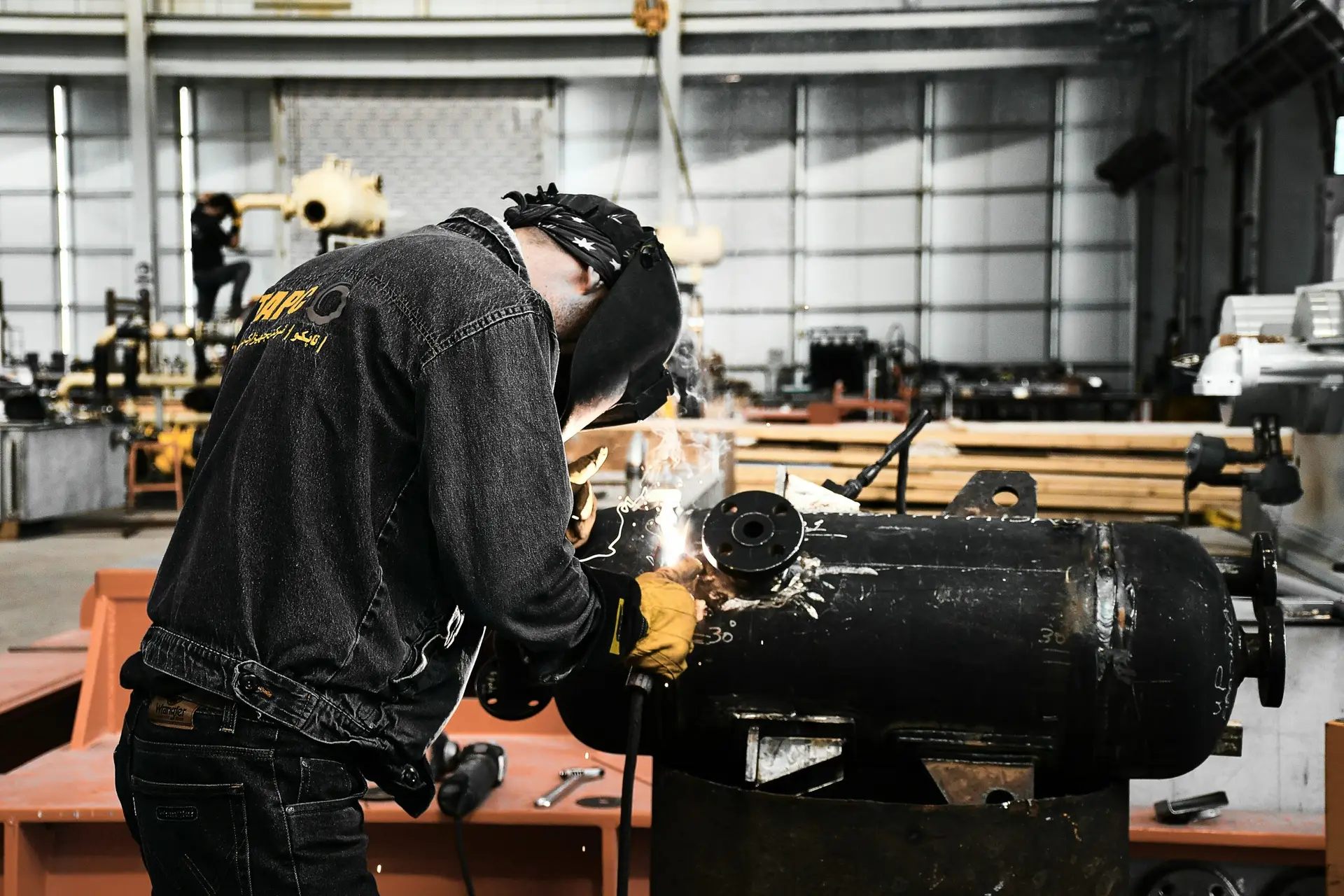
Hands on maintenance work is where guided procedures make the biggest difference for new technicians.
The Benefits of Staying On Track With Preventative Maintenance
When a maintenance program stays on cycle, the benefits show up across the entire operation, not just on the equipment itself. Manufacturers that consistently complete their scheduled PM work tend to see fewer breakdowns, longer asset life, and more predictable production schedules.
Some of the most common benefits organizations report include:
- Reduce unplanned downtime by catching wear and early warning signs before equipment fails
- Improve equipment reliability and extend the useful life of machinery and assets
- Lower repair costs, since planned maintenance is almost always cheaper than emergency repair
- Better safety outcomes, since well maintained equipment is less likely to fail in ways that put operators at risk
- Stronger audit readiness, with a documented history of every inspection and repair
- More predictable production planning, since maintenance windows can be scheduled instead of forced
These benefits compound over time. A single missed lubrication cycle rarely causes a failure on its own, but a pattern of missed cycles across dozens of assets creates the conditions for exactly the kind of unplanned downtime that preventative maintenance is designed to prevent.
The Challenges of Staying On Cycle
Almost every maintenance leader agrees that preventative maintenance works. The harder problem is staying on cycle with it month after month. Several challenges tend to show up again and again across manufacturing, utilities, and industrial facilities.
A shortage of skilled technicians is one of the most common issues. Experienced maintenance staff are retiring faster than they can be replaced, and new hires often lack the years of hands on experience that used to be passed down informally on the floor. When a facility loses its most experienced technician, it frequently loses the unwritten knowledge of how a particular machine actually behaves.
Reactive firefighting is another major challenge. When equipment breaks down unexpectedly, scheduled PM work is often the first thing pushed aside so technicians can respond to the emergency. Over time, this creates a cycle where reactive repairs consume the very maintenance windows that were meant to prevent them.
Inconsistent or outdated maintenance work instructions compound the problem. Paper checklists and static PDF procedures are easy to lose track of, hard to update across every location, and difficult to standardize when different technicians interpret the same instruction differently. A checklist that says inspect belt tension does not tell a new technician what acceptable tension actually looks like.
Poor tracking and scheduling is a fourth common challenge. Many facilities still rely on spreadsheets, whiteboards, or memory to track what maintenance has been completed and what is coming due. Without a reliable system, PM tasks slip through the cracks, get duplicated, or get completed late without anyone noticing until a failure occurs.
Finally, limited visibility into completion and quality makes it difficult for maintenance managers to know whether a PM task was actually performed correctly, or simply signed off on. Paper based systems in particular offer almost no way to verify that a technician followed every step, captured the required readings, or looked at the areas most likely to fail.
Facility and shift variation adds a further layer of difficulty. A procedure that works well for a day shift technician with ten years of experience may be interpreted completely differently by a new hire on nights. Without a consistent, guided procedure, the same piece of equipment can receive a different quality of maintenance depending entirely on who is assigned to the work order that week.
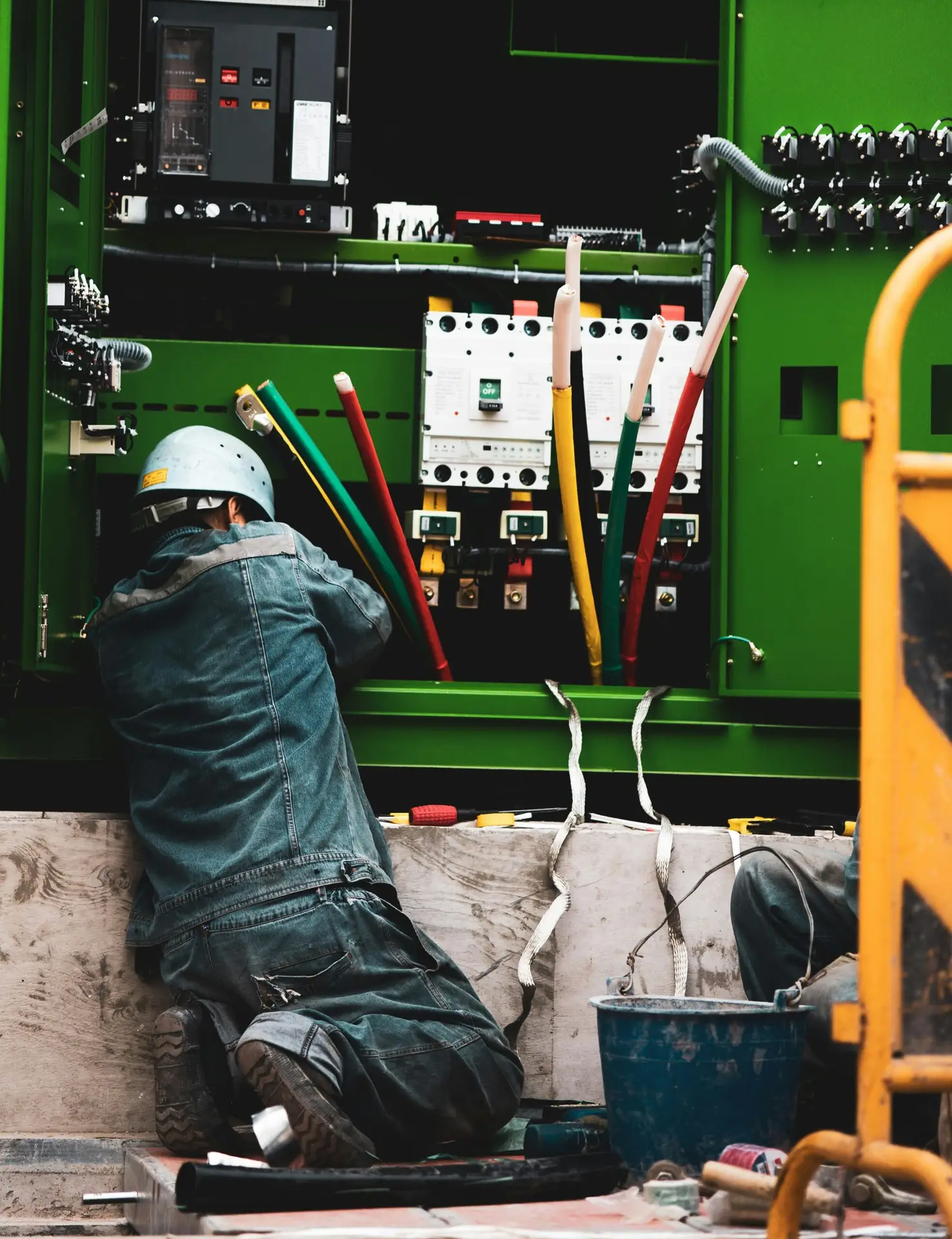
Facility and shift variation makes consistent, guided procedures even more important.
How Digital Work Instructions Help Solve These Challenges
A growing number of manufacturers are addressing these challenges with a digital work instruction solution built specifically for maintenance teams. Rather than relying on paper checklists or static documents, technicians follow guided, step by step digital procedures on a tablet or mobile device at the point of work.
This kind of preventative maintenance software brings several capabilities together in one place. Instead of a single page checklist, technicians are guided through each step of the procedure with reference photos, torque values, acceptable ranges, and safety reminders built directly into the instruction. A step that says inspect belt tension can now show exactly what proper tension looks like, side by side with what a worn belt looks like.
Scheduling and completion tracking are handled automatically. Work instructions can be triggered by a calendar interval, by run hours, or by condition based triggers pulled from equipment sensors. Maintenance managers get real time visibility into which assets are on schedule, which are overdue, and which technician completed each task, without chasing down paperwork.
Evidence capture is built into the workflow itself. As technicians complete each step, they can capture photos, enter readings, scan equipment barcodes, and record pass or fail results directly inside the procedure. This creates a complete, timestamped record for every piece of equipment without any extra administrative work after the fact.
Perhaps most importantly, a digital work instruction solution captures institutional knowledge before it walks out the door. When an experienced technician retires or moves on, the detailed procedures, reference images, and troubleshooting notes they built into the system stay behind, ready for the next person who performs that task. New technicians can follow a guided procedure with confidence instead of guessing or waiting for someone experienced to walk them through it.
Many digital work instruction platforms also support AI assisted checks, comparing photos captured during an inspection against reference images to flag conditions a technician might miss. This does not replace technician judgment. It gives them a consistent second layer of verification, similar to how AI assisted validation is increasingly used in quality inspections, so nothing slips through simply because someone was rushed or distracted near the end of a shift.
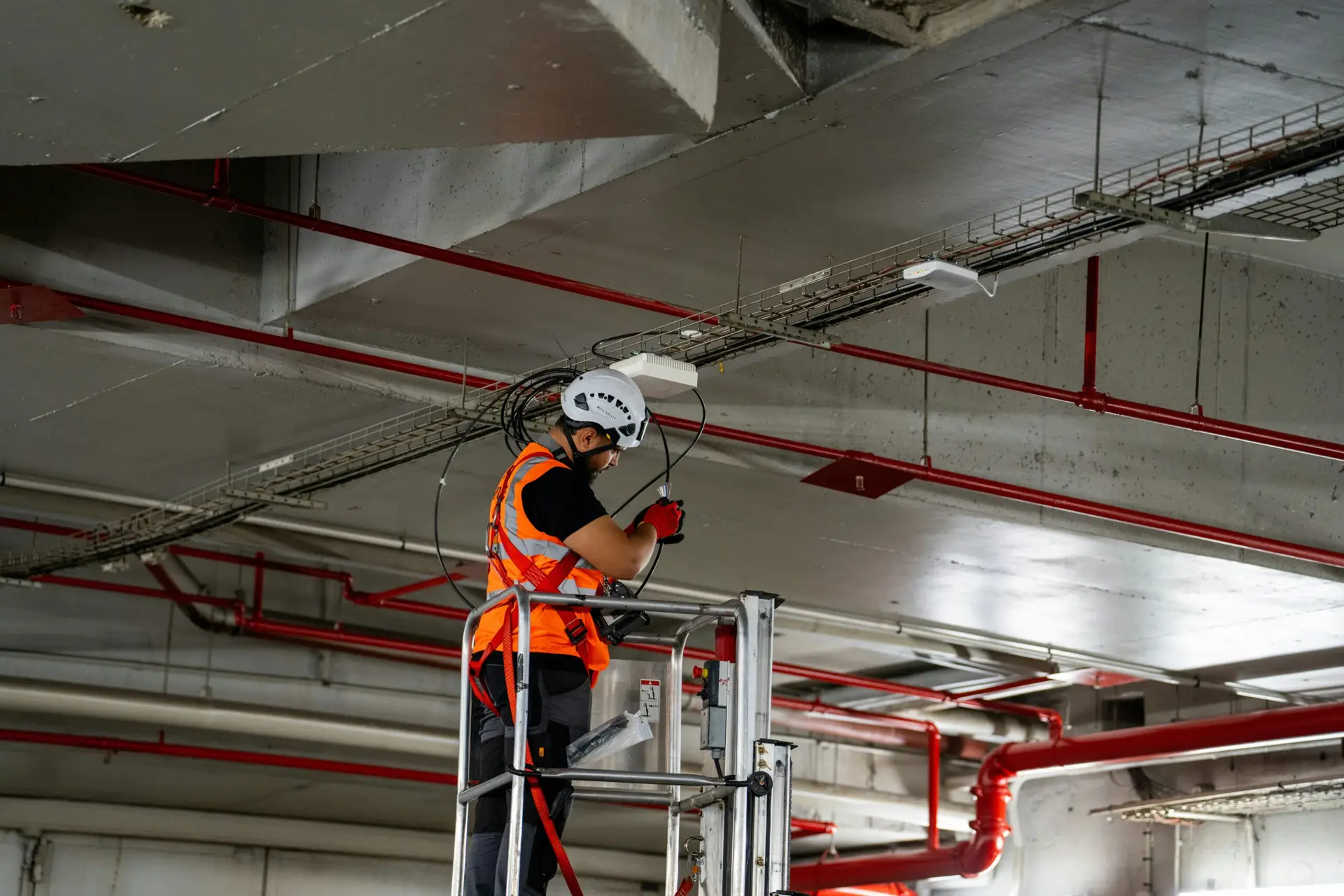
Modern digital work instruction platforms extend from the shop floor to distributed facility infrastructure.
Improvement Metrics After Implementing a Digital Work Instruction Solution
The impact of moving preventative maintenance procedures onto a guided digital platform is measurable, and manufacturers that make the switch consistently report improvement across several key areas.
- Higher PM completion rates, since automated scheduling and mobile access make it far easier for technicians to stay on cycle
- Meaningful reductions in unplanned downtime, as more issues are caught during scheduled inspections instead of after failure
- Faster onboarding for new technicians, since guided procedures with reference photos reduce dependence on tribal knowledge
- Less time spent on paperwork, freeing technicians to spend more of their shift on hands on maintenance work
- Stronger audit trails, with a complete, searchable digital record of every inspection, reading, and repair
- Better visibility for maintenance managers, who can see PM compliance across every asset and every shift from a single dashboard
None of these results depend on replacing every paper process overnight. Most manufacturers see the fastest return by digitizing a small number of high frequency, high impact PM procedures first, measuring the improvement, and expanding the program from there.
Maintenance leaders who track these metrics closely often find that the biggest gains come not from any single feature, but from the combination of guided procedures, automatic scheduling, and searchable records working together. A technician who can complete a thorough inspection in less time, with better documentation and less risk of missing a step, changes the economics of the entire maintenance program.
Final Thoughts
Preventative maintenance is not a new idea, and most maintenance leaders already understand why it matters. The real challenge has always been consistency: keeping every technician on schedule, following the same procedure, and documenting the work in a way that holds up during an audit or an equipment failure investigation.
A digital work instruction solution addresses that consistency problem directly. By replacing paper checklists with guided procedures, automating scheduling, and capturing evidence as the work happens, manufacturers can close the gap between the maintenance program they designed on paper and the maintenance work that actually happens on the floor.
If your organization is looking for a place to start, choose one or two PM procedures that are performed frequently, have a measurable impact on downtime when missed, and currently rely on an experienced technician’s memory more than a documented process. Digitize those first, measure the results, and use that momentum to expand across the rest of your maintenance program.