
How Digital Work Instructions Are Transforming Modern Manufacturing

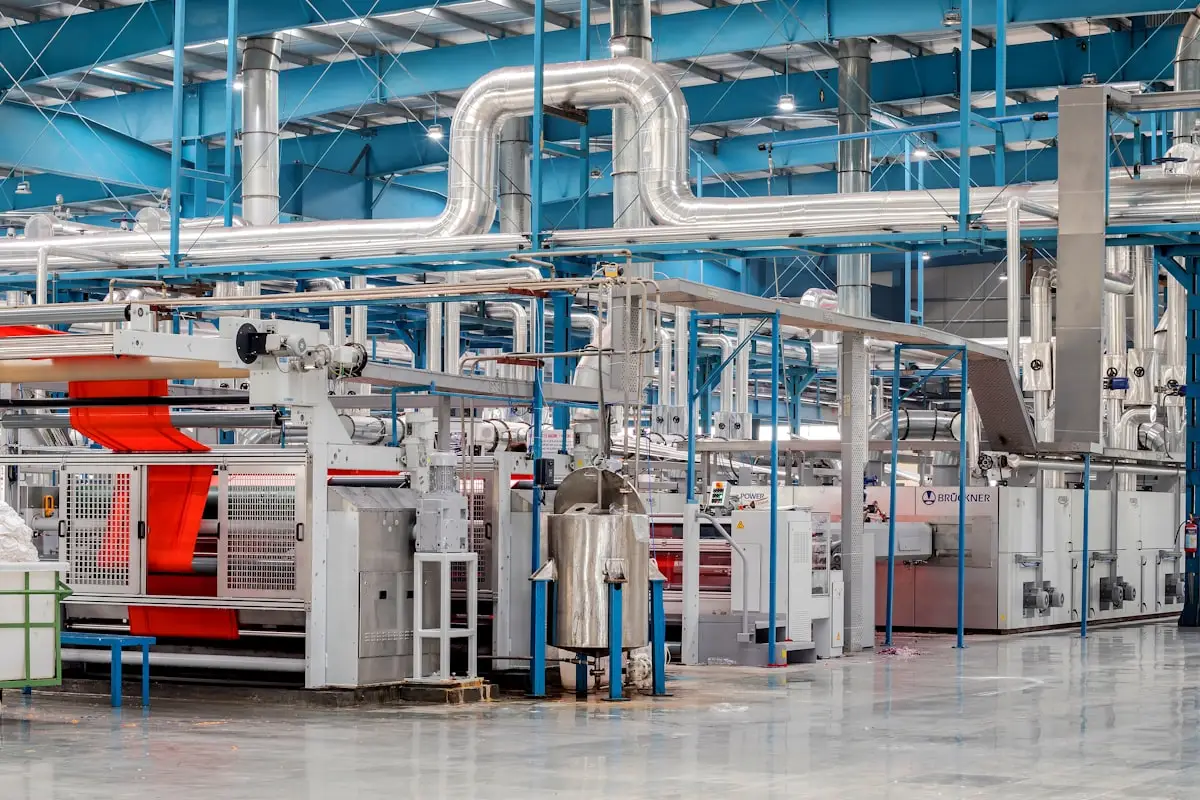
Industrial textile factory with machinery and pipes

Digital Work Instructions

How Digital Work Instructions Are Transforming Modern Manufacturing

August 10, 2026 · 8 min read · MG&J Associates
Manufacturers have relied on written procedures for decades, and for good reason. A clear set of instructions keeps operators aligned, protects product quality, and gives new hires a place to start. Yet many of these procedures still live on paper, in binders, or in static PDF files that were written years ago and rarely updated since. As production lines grow more complex and workforces turn over faster than ever, that approach is starting to show its limits.
Digital work instructions are changing how frontline teams learn, perform, and document their work. Instead of a static page of text, workers follow guided, step by step instructions that can include photos, short videos, measurements, and checkpoints that must be completed before moving forward.

This shift is not just about convenience. It is about consistency, safety, and the ability to prove that a job was done correctly, every time it is performed.

Clear instructions create consistent work. Consistent work creates reliable quality.

What Are Digital Work Instructions?

Digital work instructions are step by step procedures delivered through software rather than paper or static documents. Instead of a printed page or PDF checklist, an operator opens a digital procedure on a tablet, computer, or handheld device and is guided through each step of a task in order.

A well built digital work instruction typically includes clear text directions, reference photographs, short instructional videos, required measurements, and pass or fail checkpoints. It typically includes:

  • Guided step by step navigation through each task
  • Embedded photos and short videos at the point of need
  • Required data capture such as measurements, photos, or serial numbers
  • Built in pass or fail criteria at each checkpoint
  • Automatic timestamped records of who performed each step
Manufacturers, utilities, and oil and gas companies use digital procedures for a wide range of tasks, including equipment setup, quality inspections, preventative maintenance, safety checks, and new employee training. In each case, the goal is the same: replace ambiguous written instructions with software that guides and verifies the work, using digital work instructions with data capture to prove the job was completed correctly.
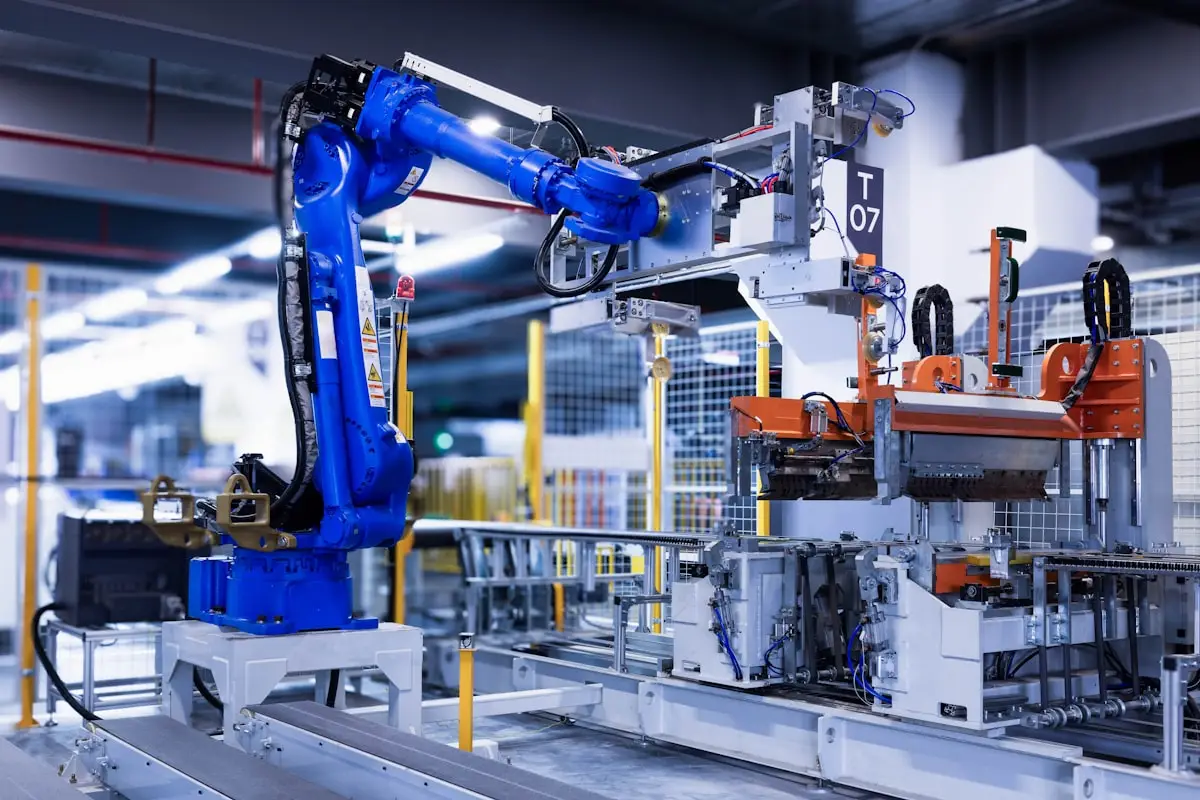
Blue industrial robot arm on a manufacturing line
Digital procedures guide every operator through the same steps, regardless of experience level.

The Benefits of Digitizing Work Instructions and Adding Video

Organizations that move from paper procedures to digital work instructions and video guidance report improvements across several parts of their operation. The most immediate benefit is consistency. When every operator follows the same guided procedure, the variation that comes from relying on memory or personal habit begins to disappear.

What Changes When Teams Go Digital

  • Faster onboarding for new employees who can follow visual guidance instead of dense text
  • Fewer errors caused by skipped steps or misread instructions
  • Stronger institutional knowledge that does not walk out the door when an experienced employee leaves
  • Better audit readiness through automatic, timestamped records of completed work
  • Improved safety because critical steps and warnings appear exactly when they are needed
Video plays a particularly important role in this shift. A short video clip can communicate a technique, a proper hand position, or the sound of a properly seated component far more effectively than a paragraph of text ever could. New employees often reach competency faster when they can watch a task performed correctly before attempting it themselves, and experienced employees appreciate having a quick visual reference for tasks they perform infrequently.

Software for guided step by step procedures also gives supervisors and quality teams real time visibility into what is happening on the floor. Rather than waiting for a shift to end and paperwork to be collected, managers can see which procedures are in progress, where operators are slowing down, and which steps most often produce errors or delays.

Watch: A Guided Digital Procedure in Action
A short look at how a digital work instruction guides an operator through a task from the first step to the final sign off.
Placeholder thumbnail for a digital work instruction walkthrough video
Placeholder: replace this image widget with your own walkthrough video once it has been filmed.

The Challenges of Creating Digital Procedures

Despite the clear advantages, many organizations struggle to get digitization efforts off the ground. Writing a good digital procedure takes more effort than simply retyping an old paper document, and teams that treat digitization as a copy and paste exercise often end up with instructions that are just as unclear as the ones they replaced.
  • Capturing tribal knowledge that exists only in an experienced worker’s head and was never written down
  • Finding time to film, edit, and organize video content alongside daily production demands
  • Keeping procedures updated as equipment, materials, and specifications change
  • Choosing software that is simple enough for frontline workers to use without extensive training
  • Getting buy in from operators who are comfortable with the paper process they already know
Many teams also underestimate how much coordination is required across departments. Quality, safety, engineering, and operations often each have their own version of a procedure, and reconciling those differences into a single, accurate digital work instruction takes real effort. Without the right approach and the right software for tracking procedure completion, digitization projects can stall before they ever reach the production floor.

How a Work Instruction Solution Solves These Challenges
This is where a modern work instruction solution becomes valuable. Rather than asking teams to build digital procedures from scratch in a general purpose document editor, a dedicated procedure creation platform is built specifically to capture, organize, and deliver guided instructions at scale.
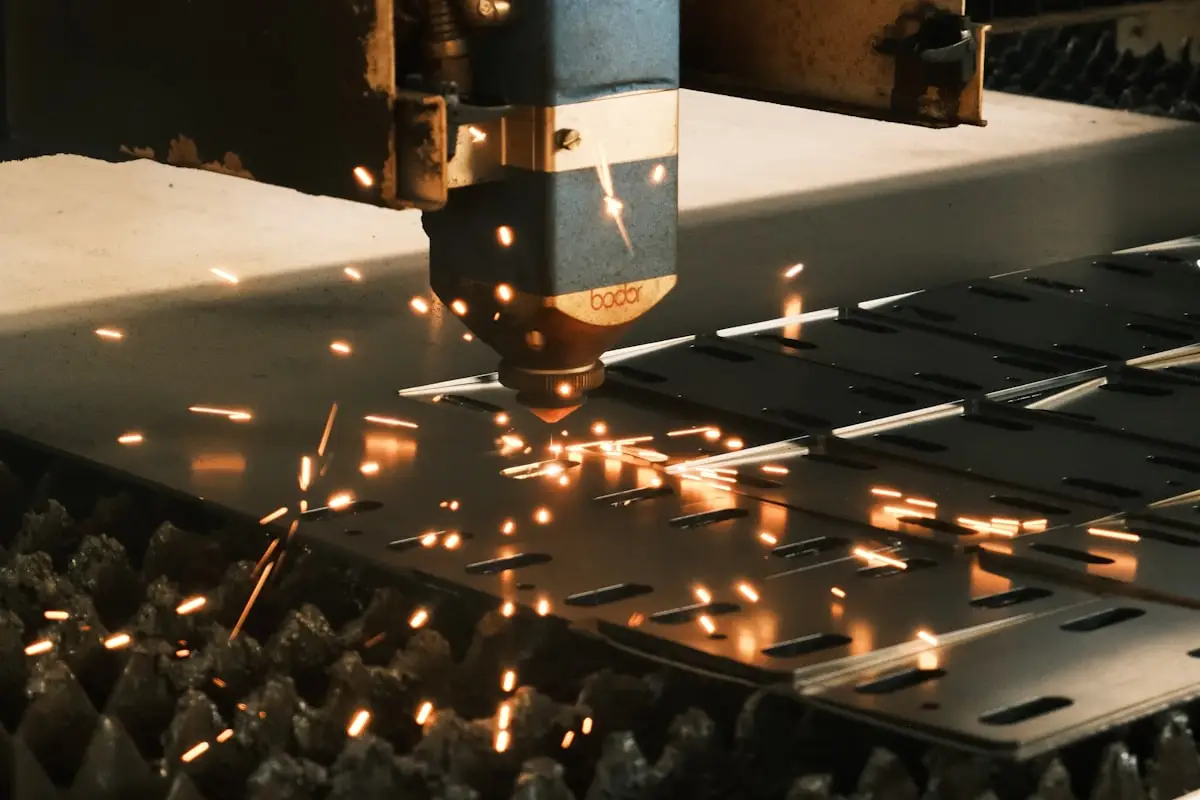
Manufacturing machine cutting metal with sparks flying
Purpose built platforms make it easier to capture, edit, and deliver guided procedures at scale.

What a Work Instruction Solution Provides

Capabilities typically include:
  • Simple tools for recording and editing instructional video directly within the procedure
  • Templates that make it fast to structure a new procedure without starting from a blank page
  • Built in data capture fields for photos, measurements, and pass or fail decisions
  • Version control so every operator is always working from the current, approved procedure
  • Analytics that show completion rates, common failure points, and time spent on each step
A strong AI procedure creation platform can also help teams get started faster by turning a video walkthrough, a rough outline, or an existing document into a structured first draft of a digital procedure. This does not replace the expertise of an experienced employee, but it removes much of the blank page problem that keeps digitization projects from getting started.

Built for the Shop Floor, Not the Office

Because these platforms are purpose built as digital procedures for frontline workers, they are also designed to work well on the shop floor. Instructions are readable on a tablet mounted at a workstation, load quickly on a shared device between shifts, and do not require a desk or a keyboard to operate.

Improvement Metrics After Digitizing Work Instructions

Organizations that implement a work instruction solution and shift their procedures to a guided digital format commonly track a set of metrics before and after the change. While results vary by industry and by how thoroughly a company adopts the new process, several patterns show up again and again.

Metrics Manufacturers Commonly Track

Common results include:
  • Reduced training time for new employees to reach full competency on a task
  • Fewer quality escapes and lower rework rates tied to inconsistent procedure execution
  • Faster procedure completion times once operators become comfortable with the guided format
  • Higher procedure compliance rates, since steps cannot be skipped without documentation
  • Improved audit results due to complete, timestamped, searchable records of every task performed
While results vary by industry and by how thoroughly a company adopts the new process, the direction of these numbers is consistent across manufacturers, utilities, and oil and gas operations alike.
Confidence Is the Real Metric. Supervisors gain confidence that procedures are being followed as written. Quality teams gain confidence that evidence exists to support every completed task.

New employees gain confidence that they can perform an unfamiliar task correctly the first time, because the instructions in front of them show exactly what to do and what good looks like.

Where Should You Start?

As with any digitization effort, the organizations that see the fastest results do not try to convert every procedure at once. A better approach is to choose a small number of high value procedures, ones that are performed frequently, are prone to inconsistency, or carry real safety or quality risk, and convert those first. Early wins on a handful of procedures build the case, and the confidence, needed to expand the program across the rest of the facility.

Turning Early Wins Into a Program

No single procedure transforms an entire operation overnight, but a proven workflow does. Once a work instruction solution demonstrates results on a handful of high value procedures, expanding across a facility becomes far easier because the workflow, templates, and expectations are already established.
  • A consistent workflow for creating and approving new procedures
  • Positive feedback from frontline operators
  • Clear time or quality improvements on early procedures
  • Leadership support to fund additional rollout
  • A plan for maintaining and updating procedures over time
The most successful organizations do not attempt to digitize every procedure at once. They expand deliberately, procedure by procedure, using what they learned from the first rollout to make each following one faster.

What Results Should Manufacturers Expect?

No software or technology eliminates every challenge on its own. Success still depends on strong processes, employee engagement, and continuous improvement. However, organizations that standardize digital work instructions commonly see improvements across several areas:
  • More consistent execution across shifts and facilities
  • Faster onboarding of new employees
  • Reduced administrative burden and paperwork
  • Better records with complete evidence capture
  • Earlier detection of process gaps
  • Improved audit readiness and regulatory compliance
  • Preservation of institutional knowledge for future employees
The most successful organizations do not attempt to digitize hundreds of procedures at once. They begin with one high value workflow, measure the results, refine the process, and then expand across additional lines and facilities.

Final Thoughts

Paper procedures and static documents were never designed for the pace or complexity of modern manufacturing. As equipment becomes more advanced and workforces continue to change, the organizations that thrive will be the ones that give every employee clear, guided instructions the moment they need them.

Digital work instructions, supported by video and backed by a purpose built work instruction solution, give manufacturers a way to capture what their best employees already know and make that knowledge available to everyone on the team. The result is work that is performed more consistently, documented more completely, and improved more continuously than a paper process could ever allow.

Organizations that are ready to move beyond paper do not need to transform their entire operation overnight. Starting with a single procedure, measuring the results, and expanding from there is often the fastest path to lasting improvement.

Frequently Asked Questions

What are digital work instructions?

Digital work instructions are step by step procedures delivered through software instead of paper or static documents, often including photos, videos, measurements, and required data capture at each step.

Why should manufacturers add video to their procedures?

Video communicates technique, timing, and physical detail more clearly than text alone, helping new employees reach competency faster and giving experienced employees a quick reference for infrequent tasks.

What makes creating digital procedures difficult?

Common challenges include capturing tribal knowledge, finding time to produce video content, keeping procedures current, and choosing software that frontline workers can use without heavy training.

How does a work instruction solution help solve these challenges?

A dedicated platform provides templates, built in video tools, data capture fields, version control, and analytics, which removes much of the effort involved in building and maintaining digital procedures.

What results should manufacturers expect after digitizing procedures?

Common results include reduced training time, fewer quality escapes, faster procedure completion, higher compliance rates, and stronger audit readiness.

Have a question about your procedures?

We are happy to talk through your specific situation, no commitment required.

Leave a Comment

Your email address will not be published. Required fields are marked *

Scroll to Top